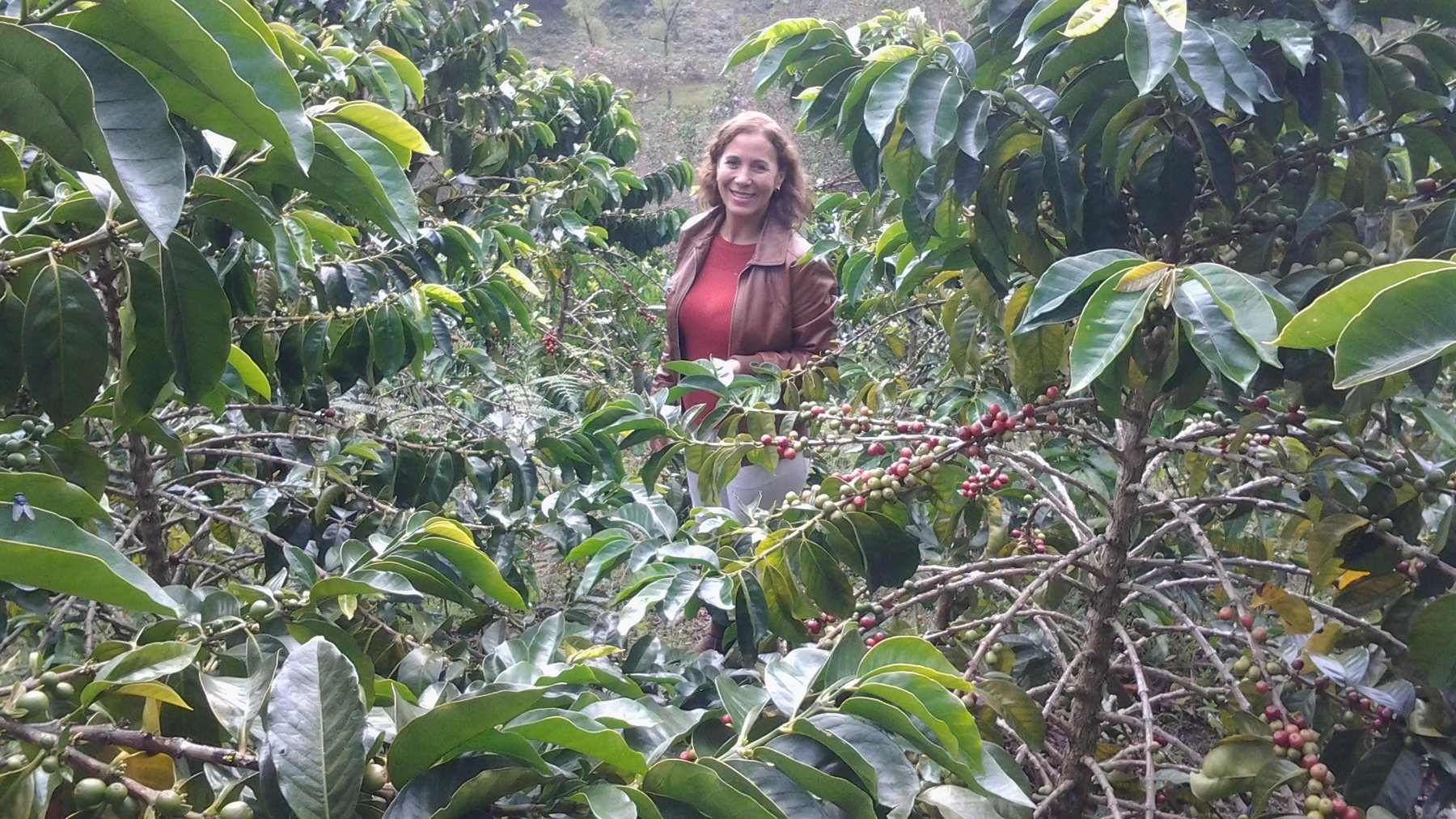
Luz Marina told us about the coffee her family grows in Colombia and how coffee has been part of daily life there for generations. That made us curious.
What began as an interest in the origin of that coffee gradually grew into a much bigger idea: how wonderful would it be if people could not only drink coffee, but also see exactly where it comes from, who cares for it and which tree their own harvest comes from?
That is how Café Maricita grew into a personal coffee project, eventually leading to Adopt a Coffee Tree.
A personal coffee tree with your own production. A tree you can follow. A tree whose development you can watch throughout the year. And ultimately, a tree whose actual harvest you receive.
Why Maricita?
The name Maricita is derived from Luz Marina Lara.
In Spanish, Maricita is used as an affectionate diminutive of Marina. It was therefore a personal name for coffee that, from the very beginning, was closely connected to the people behind the product.
And that personal character is exactly what we wanted to preserve.
Two plantations, one story
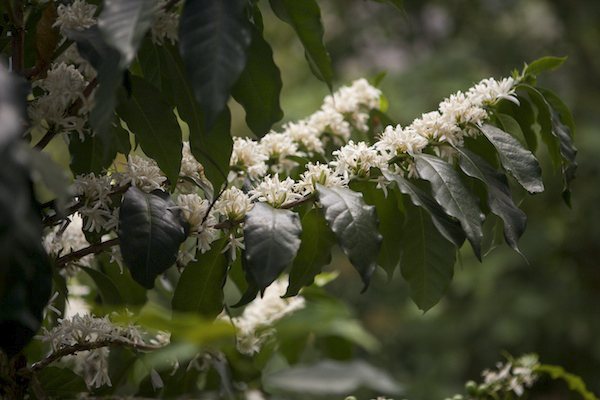
Café Maricita connects two different sides of the Colombian coffee world. Near Montebello lies our larger coffee plantation, in an area where coffee has been grown for generations.
Finca El Cafetal, by contrast, has deliberately been set up on a small scale for Adopt a Coffee Tree. Here we can follow individual trees, process the harvest from one tree separately and literally bring visitors to their own coffee tree.
At Finca El Cafetal we work as naturally as possible and try to avoid unnecessary use of pesticides. The high altitude also causes the coffee cherries to ripen slowly. As long as the cherries can ripen fully, that slower ripening can contribute to high bean quality and a more complex flavour.
Montebello shows coffee production on a larger, more traditional scale. Finca El Cafetal makes coffee personal. Together they form the story of Café Maricita.
Coffee is not an industrial product
When you only see a bag of coffee in a supermarket, it is easy to forget how much work came before it.
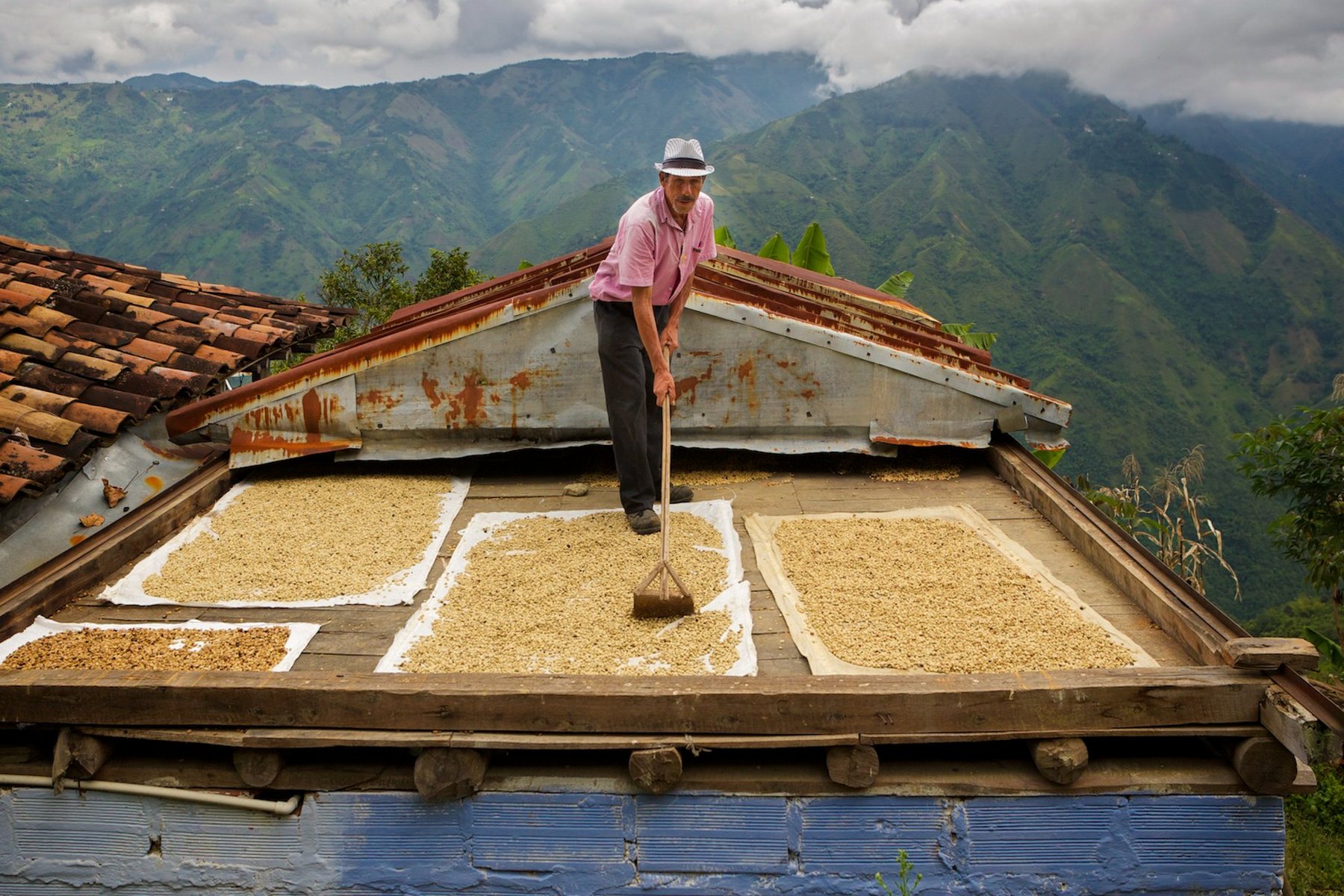
Coffee grows slowly. The plants need care, the cherries do not all ripen at the same time and good coffee begins with careful harvesting.
Ripe coffee cherries are therefore selected by hand. They are then depulped, fermented, washed, dried, selected and finally roasted.
Behind every cup of coffee are people, time and nature.
Your tree. Your harvest.
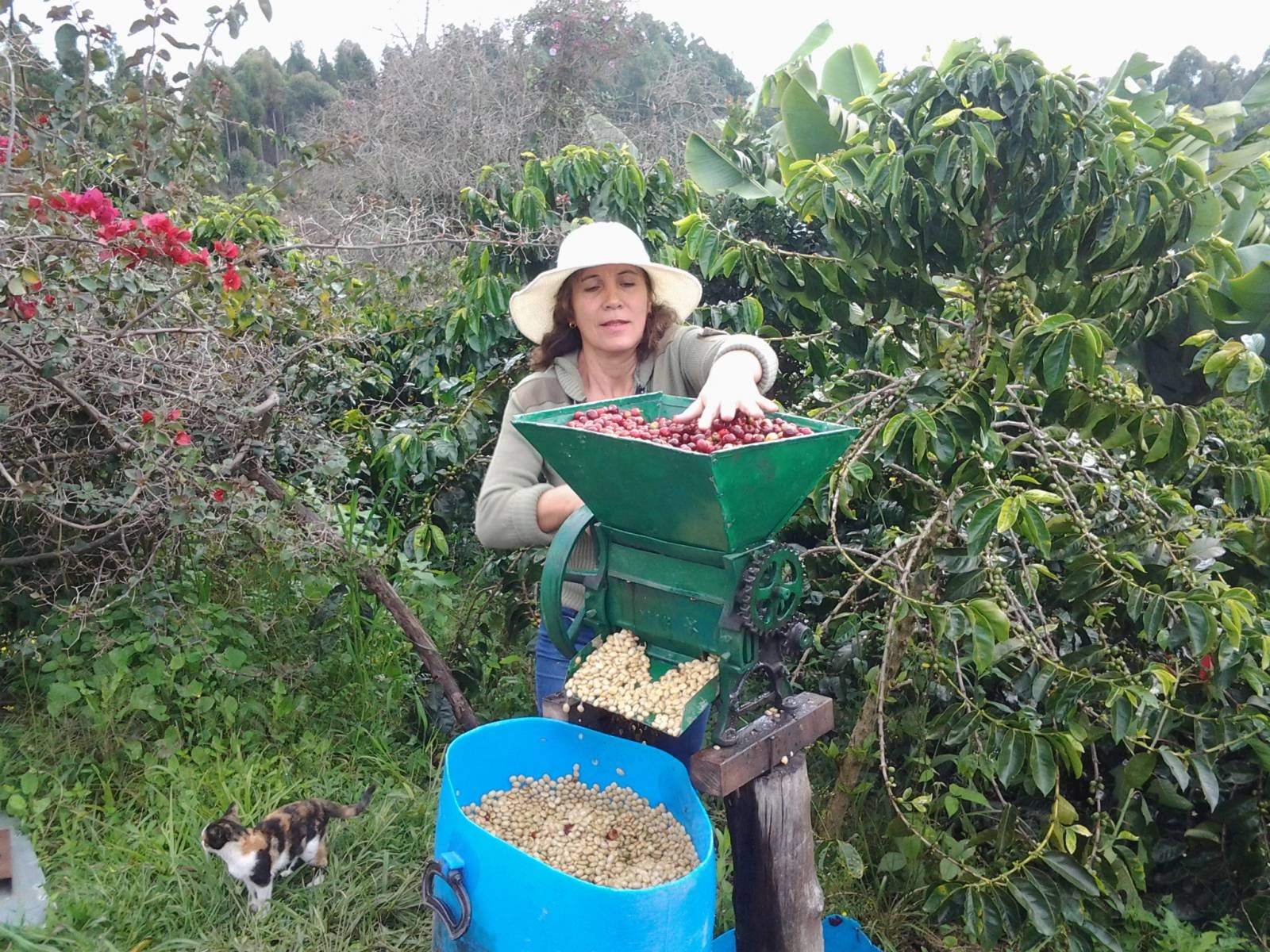
Every coffee tree is different. One produces a little more, another a little less. One year the harvest is larger than the next. Typically, a coffee tree yields around 400–600 grams of roasted coffee per year. Weather, flowering and natural conditions all play a role.
The coffee you receive tells the story of your tree and its harvest that year.
That is why the package shows, among other things, your own tree number and the amount of coffee that came from your tree.
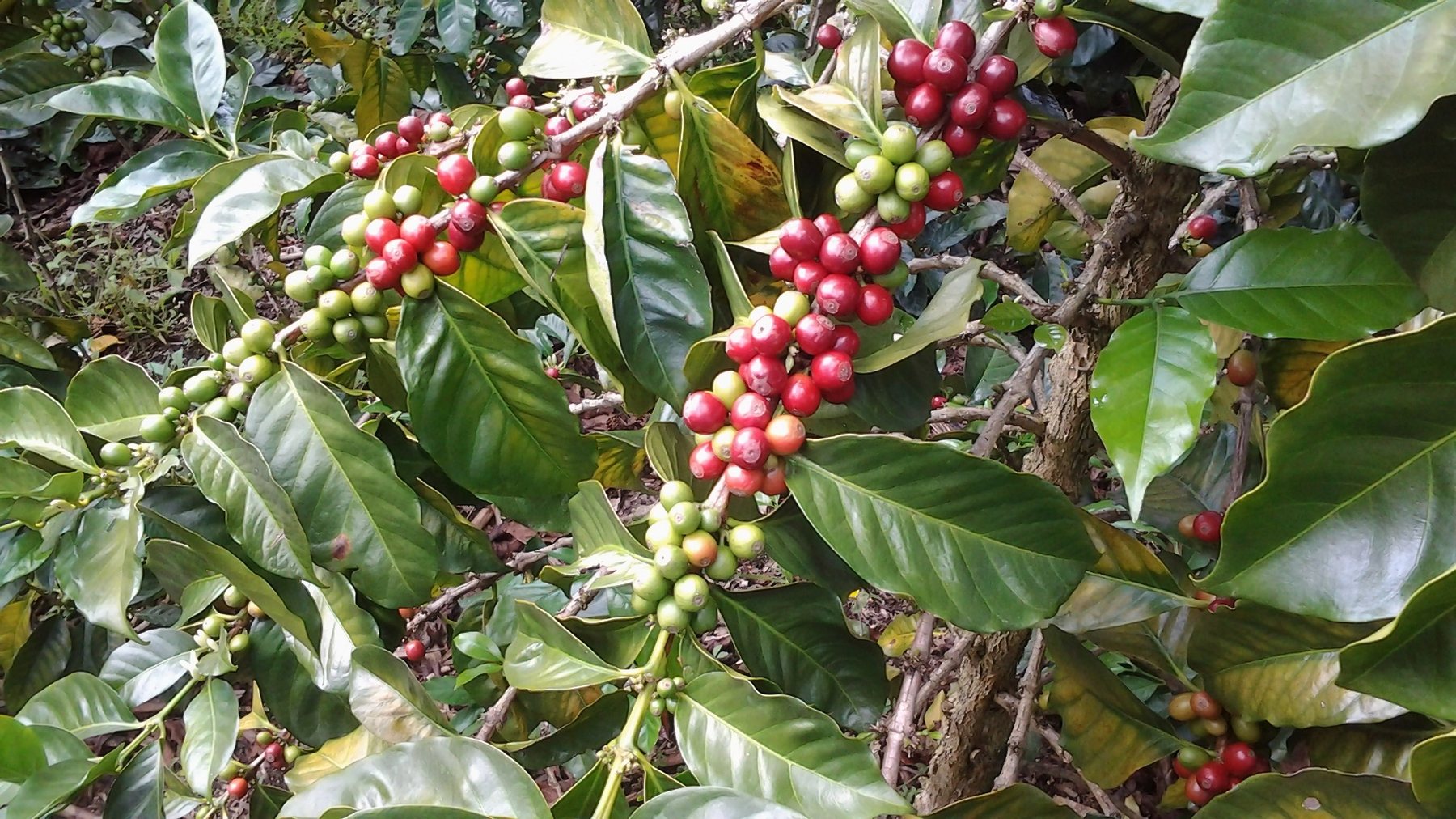
Technology makes something old personal
Coffee has been grown for centuries, but today we can do something that would once have been impossible.
The cameras on the plantation let you follow life among the coffee trees. If you choose the optional Personal Tree Camera, you also receive a personal tree page with updates about your own tree and harvest.
The camera is linked to a personal camera position so that, with one click, it can turn to that tree.
That turns a product that would normally arrive anonymously in a package into something very personal.
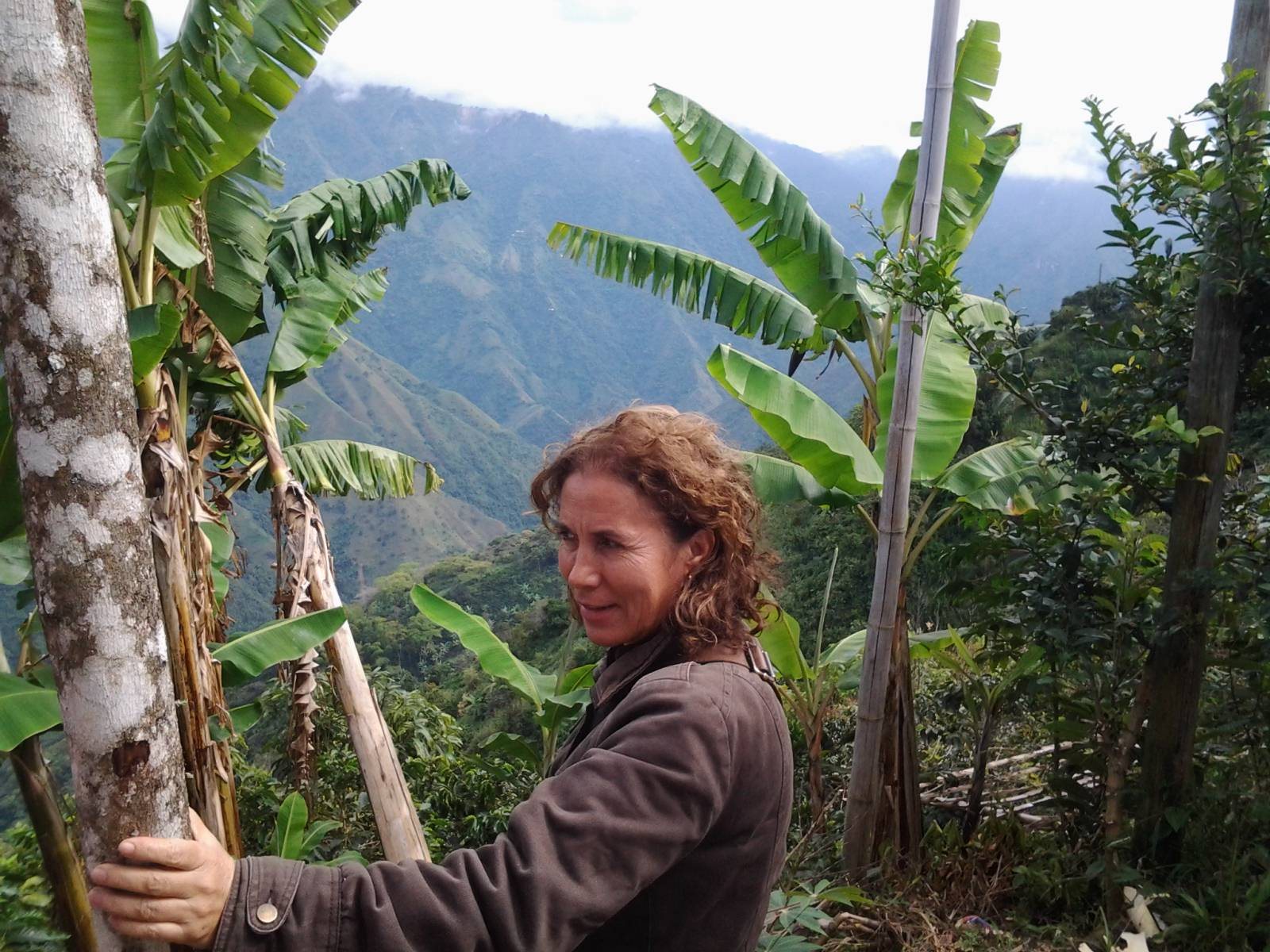
And perhaps one day you will come and see it yourself
If you want, you can take the experience one step further.
You can visit Finca El Cafetal, meet the people who make your coffee and literally stand next to your own tree. During your stay we can also visit the larger plantation near Montebello, so you can experience both sides of Café Maricita.
From the coffee cherry on the tree to the coffee in your cup at home. That is Adopt a Coffee Tree to us.